
The rise of GLP-1 medications like Ozempic, Wegovy, and Mounjaro has revolutionized weight loss and diabetes management — offering real hope to millions. But alongside impressive benefits, an unexpected concern is surfacing in dental offices everywhere: significant oral health side effects now being called “Ozempic teeth.”
As these medications become more widely used, dental professionals are observing consistent patterns of oral health changes that appear directly linked to GLP-1 use. Understanding them empowers you to protect your smile while pursuing your health goals.
What Are GLP-1 Medications?
GLP-1 receptor agonists work by mimicking hormones that regulate blood sugar and slow gastric emptying, which reduces appetite and drives significant weight loss. These medications include semaglutide (Ozempic, Wegovy), tirzepatide (Mounjaro), and liraglutide (Saxenda), among others.
The very mechanisms behind their therapeutic benefits — slowed digestion, reduced cravings — may also inadvertently affect oral health. Slowed gastric emptying can alter saliva production and composition, creating conditions that favor bacterial growth and tooth decay.
Nausea and vomiting — common during initial treatment weeks — can expose teeth to stomach acid, creating erosion risks similar to those seen in acid reflux or eating disorders.
What Is “Ozempic Teeth”?
The term “Ozempic teeth” emerged from patient experiences rather than medical literature, reflecting real-world dental problems that coincide with GLP-1 use. While research is still developing, the anecdotal evidence from patients and dental professionals is consistent enough to warrant serious attention.
“Some patients are experiencing multiple new cavities within months of starting GLP-1 medications — even those with previously stable oral health and excellent hygiene habits.”
Dental professionals are reporting several recurring concerns among GLP-1 users, including rapid tooth decay, gum inflammation, dry mouth, and changes in taste perception.
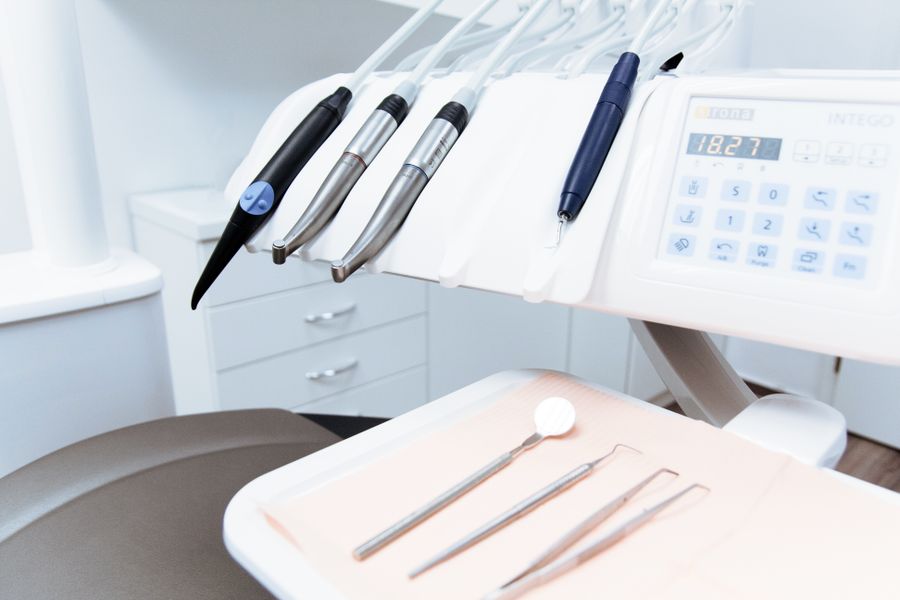
Dental professionals are seeing new patterns in patients using GLP-1 medications.
The Four Core Oral Health Concerns
1. Rapid Tooth Decay
Accelerated decay is one of the most significant concerns, often appearing along the gum line and between teeth — areas where plaque accumulates. The pattern suggests changes in the oral environment that actively favor bacterial growth and acid production.
2. Gum Inflammation & Bleeding
Gum inflammation appears to increase in some GLP-1 users, possibly related to changes in immune function, blood flow, or oral bacterial populations. Left unaddressed, these changes can progress to more serious gum disease.
3. Dry Mouth
Reduced saliva production — whether from the medication itself or related lifestyle changes — creates conditions favorable for bacterial overgrowth and compounds the risk of both cavities and gum disease.
4. Enamel Erosion
Frequent nausea or increased stomach acid exposure can weaken enamel, making teeth more susceptible to decay and sensitivity over time.
Who Is Most at Risk?
Certain factors can increase the likelihood of developing oral health problems while using GLP-1 medications:
How to Protect Your Smile
The good news: with the right preventive steps, most patients can successfully use GLP-1 medications without compromising their oral health.
-
Upgrade your fluoride routine. Ask your dentist about prescription-strength fluoride toothpaste or rinses to strengthen enamel and prevent decay.
-
Combat dry mouth proactively. Sugar-free gum, saliva substitutes, or saliva-stimulating medications can help maintain the mouth’s natural defenses.
-
Adjust your diet. Limit acidic foods and drinks. Opt for cheese, nuts, and vegetables. Stay well-hydrated to support saliva production.
-
After vomiting: rinse, don’t brush. Rinse with water or a baking soda solution, then wait 30–60 minutes before brushing to avoid abrading softened enamel.
-
Schedule more frequent cleanings. Consider additional check-ups during the first months of GLP-1 treatment when side effects are most pronounced.
-
Tell your dental team. Inform them about your medication and any side effects so they can tailor your preventive care plan accordingly.
Don’t let concerns about “Ozempic teeth” prevent you from pursuing beneficial medical treatment — but do take these risks seriously and plan proactively. Early intervention and enhanced preventive care make all the difference.
Balancing Benefits & Risks
For many patients, the cardiovascular, metabolic, and quality-of-life benefits of GLP-1 medications far outweigh the manageable risks to oral health. The key is proactive, coordinated care between your medical provider and dental team.
Regular oral health assessments can track changes over time and allow for early intervention. Documenting a baseline oral health snapshot before starting GLP-1 medications provides valuable comparison points for future care — and the cost of enhanced prevention typically pales in comparison to treating advanced dental problems down the line.
This article is intended for educational purposes. Consult your dentist and prescribing physician for personalized guidance on managing oral health while using GLP-1 medications.
