
What Snoring Could Be Telling You
Many people think snoring is harmless, but in some cases it can be a sign of sleep-disordered breathing, including OSA. When left untreated, this condition can significantly impact your health, sleep quality, and overall well-being.
At Oral Health Center, we help patients identify sleep apnea symptoms and offer oral appliance therapy, a comfortable treatment option that can improve breathing during sleep.
What Is Obstructive Sleep Apnea?


Obstructive Sleep Apnea (OSA) occurs when the muscles at the back of the throat relax too much during sleep, causing the upper airway to collapse or become blocked.
When this happens:
-
Breathing repeatedly stops and starts during sleep
-
Oxygen levels may drop
-
The brain briefly wakes the body to restore breathing
These interruptions are called “arousals.” Many people do not remember them, but they can occur dozens or even hundreds of times per night, preventing restful sleep.
OSA is the most common form of sleep-disordered breathing (SDB).
Snoring and Sleep Apnea: What’s the Connection?
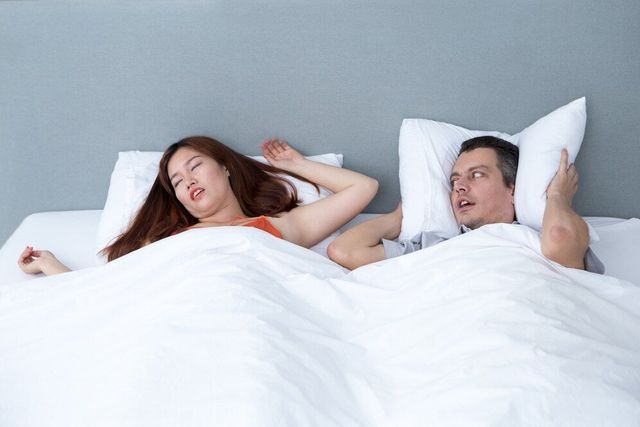
While not everyone who snores has sleep apnea, most people with OSA do snore.
Snoring happens when airflow is partially blocked, causing throat tissues to vibrate. If the airway becomes fully obstructed, breathing pauses occur—this is when sleep apnea develops.
Common signs include:
-
Loud or chronic snoring
-
Gasping or choking during sleep
-
Morning headaches
-
Excessive daytime sleepiness
-
Difficulty concentrating
-
Irritability or fatigue
If you or your partner notice these symptoms, it may be time for a sleep apnea evaluation.
Key Facts About Obstructive Sleep Apnea
Sleep apnea is far more common than many people realize:
-
1 in 5 adults has some level of OSA
-
1 in 15 adults has moderate to severe OSA
-
9% of middle-aged women are affected
-
25% of middle-aged men are affected
-
75% of severe sleep-disordered breathing cases remain undiagnosed
Who Is Most at Risk?
Risk increases with:
-
Age
-
Being overweight
-
Family history
-
Men (twice as likely as women)
-
Post-menopausal women
-
Certain ethnic groups, including African-Americans, Hispanics, and Pacific Islanders
However, sleep apnea can affect people of any age—even children.
Health Risks of Untreated Sleep Apnea


-
High Blood Pressure
-
43% of patients with mild OSA
-
69% of patients with severe OSA
-
-
Stroke Risk
-
65% of stroke patients have sleep-disordered breathing
-
Moderate to severe sleep apnea triples stroke risk in men
-
-
Increased Accident Risk
-
People with moderate to severe sleep apnea have up to a 15-fold higher risk of traffic accidents
-
-
Higher Health-Care Costs
-
Undiagnosed patients incur $200,000 more in medical costs over two years before diagnosis compared to similar individuals without sleep apnea.
-
Oral Appliance Therapy: A Comfortable Treatment Option

A custom-made dental appliance works by:
-
Gently moving the lower jaw forward
-
Keeping the airway open during sleep
-
Reducing snoring and breathing interruptions
Benefits include:
-
Comfortable and easy to wear
-
Quiet and travel-friendly
-
Non-invasive alternative to CPAP for many patients
When to See a Dentist for Sleep Apnea
If you experience:
-
Loud snoring
-
Daytime fatigue
-
Poor sleep quality
-
Morning headaches
-
Reports of breathing pauses during sleep
You may benefit from a sleep apnea screening.
The dental team at Oral Health Center works with sleep physicians to help diagnose and treat sleep apnea using custom oral appliances designed for better breathing and healthier sleep.
Schedule a Sleep Apnea Consultation with Dr Banga Diplomate of the American Board of Dental Sleep Medicine in Westerville, Ohio.
Better sleep leads to better health, improved energy, and a higher quality of life.
If you suspect sleep apnea or struggle with chronic snoring, contact Oral Health Center today to learn how oral appliance therapy can help you breathe easier and sleep better.
